

Guide to Customizing Complete Lawn Care Programs for Your Yard
An attractive, healthy lawn does not occur by chance, but is a result of a smart approach to the care of the lawn, which is specific to the needs of your yard. Be it weed, pest-infestation, or a bare patch, a tailor-made program can make it flourish throughout the year.
You can save your turf and enhance it by customizing your treatments, such as fertilization and aeration, in a manner that suits you. Having a proper plan also saves time and money by focusing on what your yard actually requires.
This guide will take you through the steps to creating a full-fledged lawn care program that fits your property. It features some of the most important services, such as aeration, grub control, and seasonal fertilization, and demonstrates how changing your plan based on the season makes a difference.
1. Prioritize A Complete Lawn Care Program
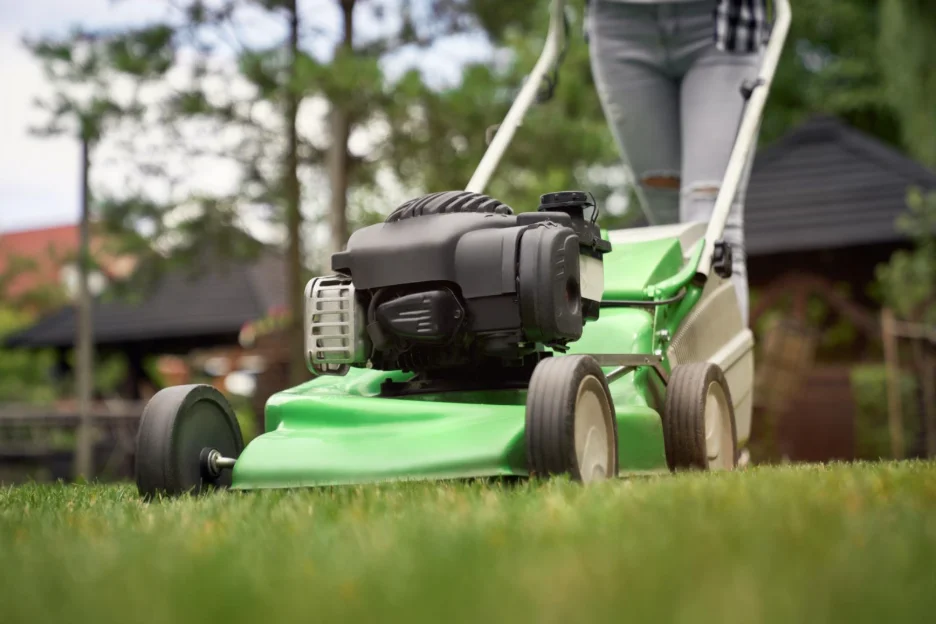
Complete lawn care programs consist of an intensive routine that keeps your lawn healthy year-round. The program handles both growth and prevention by integrating fertilization, weed control, and insect infestation control.
Balanced, seasonable fertilizers help strengthen grass roots, whereas weed control helps prevent broadleaf weeds and crabgrass. In the long term, such a combined solution enhances your lawn’s quality, increases its strength, and reduces the need for emergency measures.
2. Fertilization and Weed Control for Your Yard
Fertilizer timing and fertilizer method are two of the most significant aspects of a custom lawn plan. A considered program may involve six fertilizer applications per year. During spring, a granular fertilizer containing pre-emergent crabgrass inhibitors is used to prevent weed seed germination.
Subsequent rounds of treatment through the course of the program can use slow-release nutrients and broadleaf weed applications to prevent weed growth. During the summer, a special formula helps turf withstand the heat, and fall winterizer, a type of fertilizer, helps roots grow and supports spring recovery.
This schedule means your lawn receives the right amount of fertilizers at the right time, without over-application or failure to treat at key times of year.
3. Aeration and Seeding for Stronger, Denser Grass

Aeration is an effective supplement to a lawn care program- particularly for compacted soils. Compacted soil makes it hard for nutrients, water, and oxygen to reach the roots. Core-aerating produces small soil plugs, making the soil easier to breathe in and allowing roots to grow deeper and stronger.
Using core aeration, followed by overseeding to fill in thin or bare areas, makes the lawn thicker and more even. This mixture helps maintain turf in the long term by enhancing root systems and promoting active growth.
4. Grub Control and Pest Protection
Insects that damage grass, such as grubs, may silently eat the roots, leaving brown spots and weak turf. An infestation can be prevented or destroyed with a custom lawn care plan that includes grub control treatments, timed with other treatments to reduce stress on the turf.
This will make your lawn healthy and safe when used in combination with surface pest control, and it will not be at risk of permanent destruction by pests.
5. Irrigation and Sprinkler Services Addition
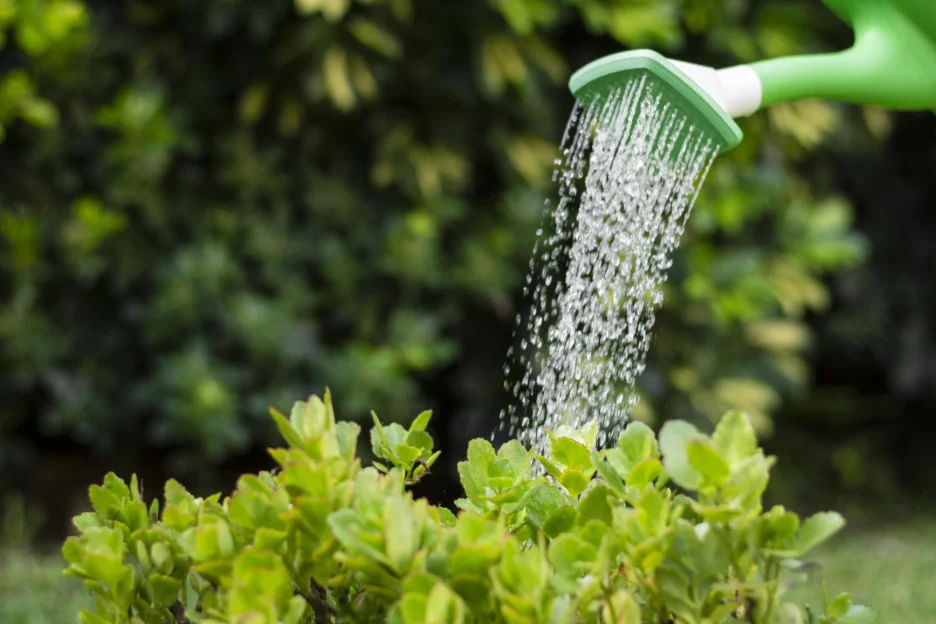
A healthy lawn is impossible without proper watering, which is why sprinklers and irrigation systems need to be maintained. The entire care plan must also include the installation, spring start-up, and winterization of your sprinkler system to ensure that water reaches the roots where it is most needed.
With proper care for your sprinkler system, water will reach the places it is needed most: the roots. This helps your fertilization and weed control treatments to be more effective, as nutrients and chemicals are better absorbed when the soil is at optimum moisture levels.
6. Making Changes to Your Plan According to Season
A lawn care program will change with the seasons and your lawn’s growth. For example, weeds such as crabgrass can be prevented with early spring treatment, and mid-summer services can be performed to maintain the grass under heat stress. Root-strengthening manure and grub killer help get your lawn ready for winter as fall approaches.
Then, until the next season of growth, aeration and overseeding restore its strength. This is a year-long plan, which means your lawn service remains proactive rather than reactive and provides your yard with a constant opportunity to thrive.
7. Select The Right Pack for Your Yard Size

Lawn care programs are designed to suit your needs and area. For example, a fertilizer application package may be essential, containing six applications and the choice of either aeration or grub control.
This might be enhanced with a premium package that incorporates aeration and grub control into your routine, providing better protection and improved turf health over time.
All of those services could be included in a full-service plan, which would also include insect control, perimeter pest work, mosquito treatments, and irrigation system support. Choosing the correct package means you pay only for what is important to your lawn- and you do not have to pay for services that are not even relevant to your situation with your lawn.
To Sum It Up
A personalized lawn care program is a combination of the two: organization and consistency. When you mix fertilization, weed management, aeration, pest management services, and irrigation services, you have a program that takes care of all the facets of your lawn.
Changing your service plan with the seasons ensures your yard receives the appropriate treatments at the right time. Finally, a customized program will help you maintain a lush, green, healthy lawn that stays beautiful year after year.