

How to Turn Pictures Into Videos Without Relying on One-Second Lip-Sync Effects
Many AI video tools promise to transform ordinary pictures into engaging videos within seconds. Upload an image, add some movement, and watch it come to life. Some platforms also offer background music, talking portraits, and automatic animation.
However, creating a visually appealing clip is not always enough, especially when you are promoting a product. A moving image may look impressive, but that does not mean it accurately represents the item you are selling.
For businesses, the real challenge is creating videos that maintain product accuracy, match the brand’s identity, and communicate a clear message. Instead of choosing a tool simply because it can animate a photo, it is worth considering how AI can support the entire content creation process.
Why Speed Alone Does Not Make a Good Marketing Video
The promise of free and instant video creation can be appealing, but marketers need to look beyond the initial demonstration.
Some platforms offer limited credits, watermarked exports, or free plans with restrictions on commercial use. Others advertise high-definition results without clearly explaining their export limitations.
There is also an important difference between animating a portrait and creating a product advertisement.
A talking face might work well for an entertaining social media clip. However, a product video needs to preserve important details such as:
- Product shape and dimensions
- Packaging and labels
- Brand colors
- Text and promotional offers
- Product features and materials
An AI-generated video can look professional while accidentally changing the appearance of the product. For businesses, even a small visual error can affect customer expectations.
The goal should not simply be to create a video quickly. It should be to produce content that is accurate, useful, and suitable for its intended audience.
Begin With Your Marketing Goals
Before turning a picture into a video, consider where the content will be used and what you want it to achieve.
A product video designed for TikTok may require a different format and message from one created for an online store. Understanding the target audience, competitors, and customer interests can help you make better creative decisions.
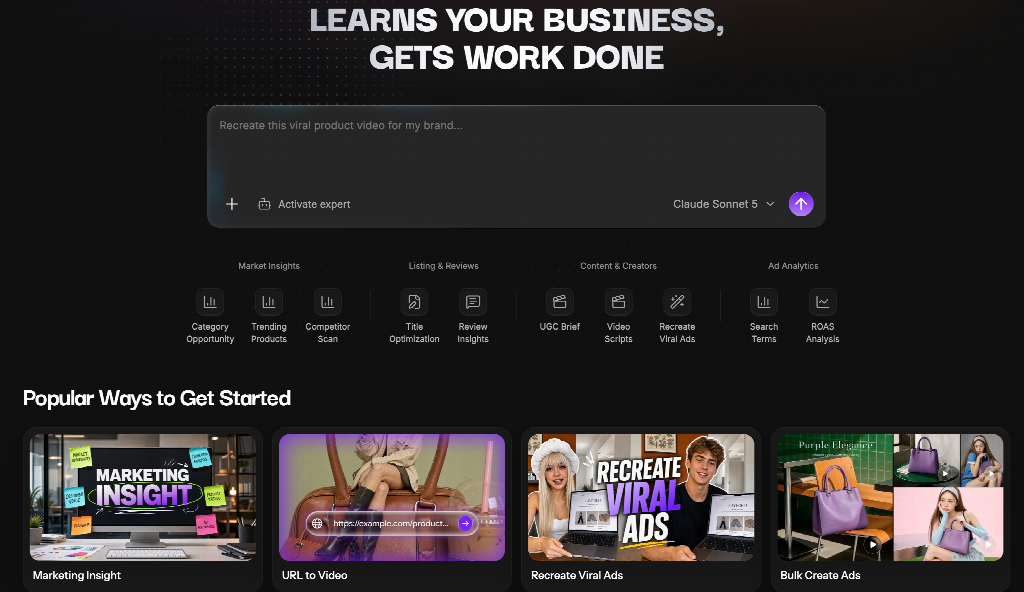
This is where an AI marketing platform can be useful.
The AI Marketer from TopView helps businesses explore marketing opportunities, review relevant market information, and develop content ideas. It can support tasks such as identifying potential audiences, examining competitors, and planning advertising concepts.
Rather than immediately generating an animation, marketers can first establish the purpose of the campaign. They can then develop suitable images, videos, scripts, and other creative materials around that objective.
This approach can make the production process more organized. Instead of creating unrelated clips across several tools, businesses can work toward a consistent campaign with a clear message.
However, AI-generated recommendations should still be reviewed by a person. Marketing decisions involve brand guidelines, customer expectations, and commercial considerations that software cannot always understand correctly.
Prepare an Accurate Image Before Adding Movement
Not every picture is ready to become a marketing video.
A product photograph may contain outdated pricing, an incorrect background, or design elements that no longer match your brand. Animating the image without fixing these issues can make the final video less effective.
For this reason, image preparation should come before animation.
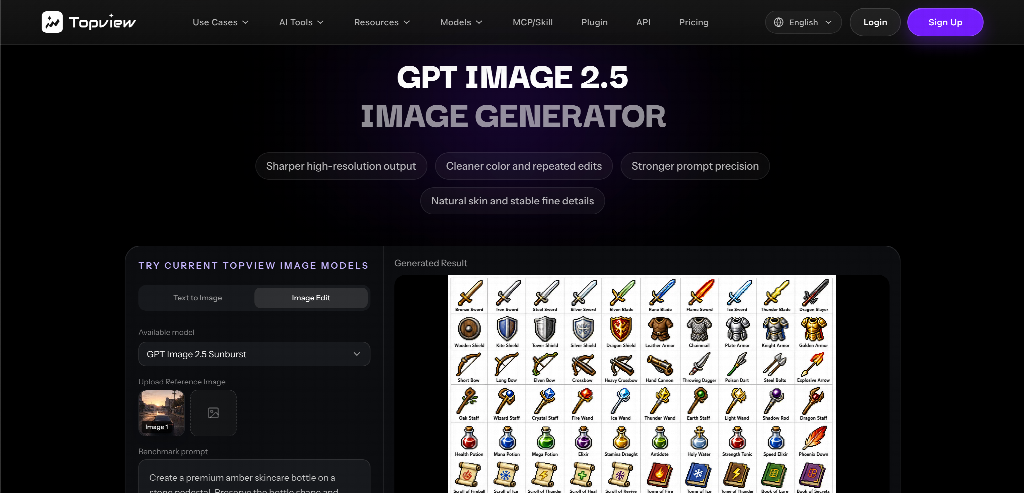
GPT Image 2.5 can be used as part of the image creation and editing process. It helps users develop and refine visual concepts, make creative adjustments, and prepare images for different content requirements.
For example, you might need to:
- Create a new product scene
- Adjust the composition for a vertical video
- Change the background
- Improve the overall visual presentation
- Develop several creative variations
When working with real inventory, however, it is important to review every generated image carefully.
AI image tools can sometimes change product proportions, packaging details, or written information. If a product label or logo is important, compare the edited image with the original reference before using it commercially.
You should also distinguish between a concept image and an actual product photograph. A creative visual can be useful for advertising ideas, but it should not misrepresent what customers will receive.
Choose the Right Format for Your Audience
Once the image is ready, you can begin planning the video.
The ideal format depends on the platform and the way viewers will watch the content.
For example:
- 9:16: Suitable for many short-form video platforms and mobile stories.
- 16:9: Commonly used for websites, presentations, and landscape videos.
- 4:5: Useful for certain social media feed placements.
A single image may need to be adjusted for different screen sizes. Automatically resizing content without checking the result can cut off important text or product details.
Think about the type of movement that supports your message. A gentle camera zoom, a controlled product rotation, or a simple transition may be more effective than an exaggerated animation.
If you are adding voiceovers, captions, or background music, ensure that these elements fit the brand and can be used for your intended commercial purpose.
A video does not need complicated effects to communicate its message effectively.
What to Look for in an AI Picture-to-Video Tool
Choosing an AI video platform becomes easier when you focus on practical requirements rather than impressive demonstrations.
Consider asking the following questions before selecting a tool:
Does It Support Your Original Images?
The platform should allow you to work with the photos, product shots, or creative assets you already have.
Can You Make Changes Later?
A useful tool should support revisions instead of forcing you to start over whenever you want to adjust the design.
What Does the Free Plan Include?
Check the available credits, export quality, watermarks, and commercial-use conditions. A free trial may not be sufficient for an ongoing marketing campaign.
Does It Offer Useful Editing Options?
Look for features that support your actual goals, such as image editing, video creation, captions, audio, and different aspect ratios.
Can You Review the Final Result?
Always inspect the finished video before publishing it. Check the product’s appearance, text accuracy, timing, and overall presentation.
AI can reduce the time required to create content, but human review remains important.
Focus on Accuracy Before Animation
Turning a picture into a video does not have to involve elaborate effects or instant lip-sync technology.
For businesses, the process should begin with a clear marketing objective, continue with a carefully prepared image, and end with a video that accurately communicates the intended message.
Tools such as AI Marketer can help organize marketing ideas and support campaign planning, while GPT Image 2.5 can assist with developing and refining visual assets.
The most effective workflow is not necessarily the fastest one. It is the one that produces content your audience can understand and your business can confidently publish.
Before adding motion, make sure the image is correct. Before publishing, make sure the video is worth watching.
Available next action: Create a downloadable DOCX file here in this chat containing the editable prose above
Read More: The Role of Technology in Enhancing Tourism Experience in Turkey
The Connection Between Prosthodontic Care and Overall Health