
Building The Green Future: Tools, Training, And Tech Behind America’s Energy Transition
In recent years, the urgency of a sustainable energy transition has become clearer than ever. With climate change influencing weather patterns and non-renewable resources rapidly depleting, we stand at a pivotal moment in our history. Transitioning to renewable energy sources is not merely a trend, it’s a necessity for a greener, more sustainable future.
Innovative solutions such as the anker solix f3800 plus are helping bridge the gap between clean energy generation and real-world usability. By combining portable power, smart connectivity, and large-scale storage, these systems make renewable energy more accessible for both homes and businesses, empowering individuals to take part in the clean-energy movement.
At the same time, industries are also evolving, investing in better equipment and training to meet modern efficiency and sustainability standards. High-performance tools like welding rods play a vital role in building and maintaining the infrastructure that supports this transition, from wind turbines to solar frameworks.
This article dives deep into the tools, training, and technologies shaping America’s energy landscape. As we explore these facets, we encourage you to check out the latest insights from the U.S. Department of Energy, which provides extensive resources and studies on energy transitions across the nation.
The Importance Of Energy Transition
The importance of transitioning to renewable energy cannot be overstated. As we grapple with the effects of climate change and the finite nature of fossil fuels, shifting towards sustainable sources, like solar and wind, represents not only a strategic imperative but also an ethical one. By making this transition, we aim to reduce our carbon footprint and eventually, mitigate the adverse effects that have long plagued our environment.
Also, this energy transition brings with it a plethora of socio-economic benefits. New jobs in green energy sectors are emerging, communities get involved, and investments in cleaner technologies can stimulate local economies. Municipalities like Georgetown are leading by example, with competitive georgetown electricity rates that reflect their commitment to 100% renewable energy sources. We need to remember that this is not just about energy: it’s about creating a future where we can thrive without endangering our planet.
Overview Of Renewable Energy Sources
Renewable energy sources form the backbone of our future energy landscape. Here’s a brief overview of the key players:
Solar Energy
Solar panels convert sunlight into electricity, making solar installations an increasingly common sight in urban and rural landscapes. Recent advancements in technology have drastically increased efficiency and reduced costs, making solar power an attractive option for millions.
Wind Energy
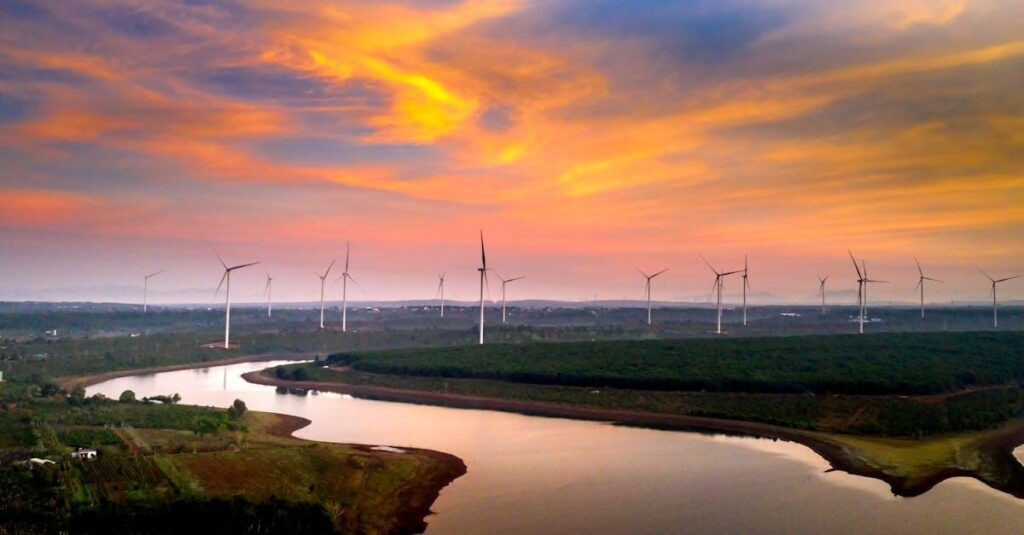
Wind turbines harness the kinetic energy of wind to produce electricity. Wind farms, both onshore and offshore, have seen exponential growth over the past decade. This growth aligns with our goal to achieve net-zero carbon emissions by 2050.
Hydropower
Using the flow of water to generate electricity, hydropower remains one of the most potent renewable sources. But, we must balance its potential against environmental concerns about aquatic ecosystems.
Biomass and Geothermal Energy
Biomass uses organic materials to produce energy, while geothermal energy harnesses heat from the Earth. Both sources present unique benefits and challenges, adding diversity to our energy mix.
Key Tools In The Energy Transition
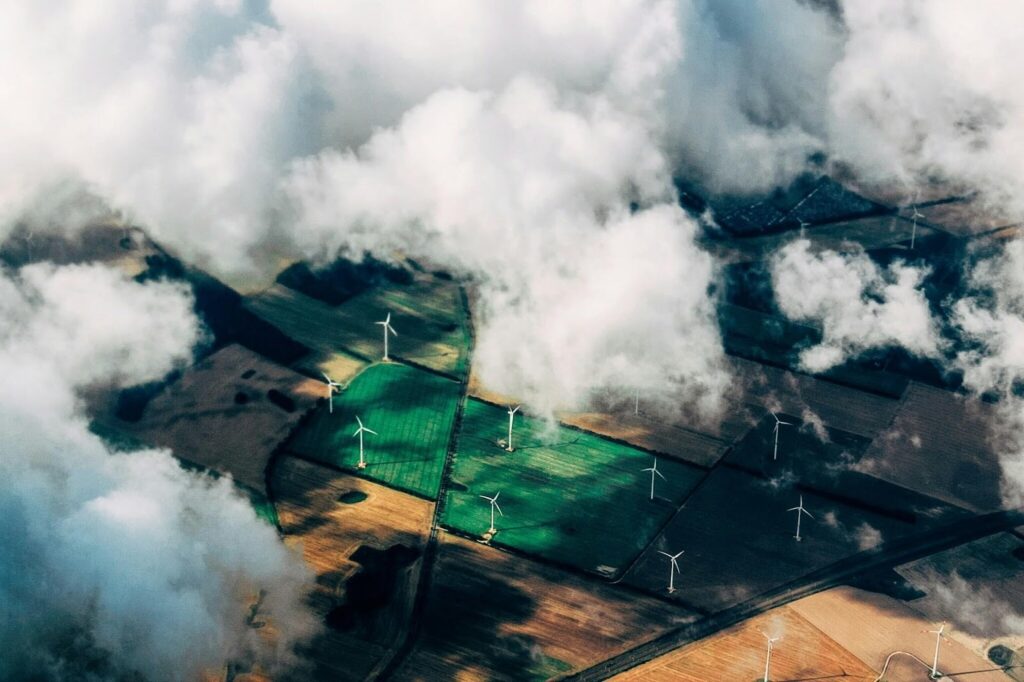
Photo by Thomas Richter on Unsplash
As we transition to renewable energy, several tools are proving indispensable:
Smart Grid Technology
A smart grid integrates digital technology into traditional energy infrastructure, enabling improved efficiency and reliability in energy distribution. This system enhances our ability to monitor, manage, and integrate renewable resources.
Energy Storage Solutions
Batteries, especially lithium-ion ones, are revolutionizing how we store energy from intermittent sources like solar and wind. Energy storage solutions enable us to store excess energy for later use, ensuring a constant supply even when the sun isn’t shining or the wind isn’t blowing.
Energy Management Systems (EMS)
These systems allow users to track energy consumption and optimize efficiency. They are essential in both residential and commercial spaces, helping to manage demand and reduce waste.
Training The Workforce For A Green Future
Transitioning to a green economy requires a skilled workforce. This encompasses a range of training and educational programs:
Vocational Training
Vocational programs focusing on renewable energy technologies equip individuals with the necessary skills to enter the green job market. These hands-on training sessions are vital for understanding the complexities of new technologies.
Continuing Education
For those already in the workforce, continuing education programs provide opportunities to reskill or upskill in areas relevant to renewable energy, ensuring that current employees remain competitive in an evolving job landscape.
Partnerships with Educational Institutions
Collaboration with universities and community colleges is essential. These partnerships help design curriculums that meet industry demands while providing students with practical experience, bridging the gap between education and real-world application.
Technology Driving Change
The driving force behind America’s energy transition is technology. Innovations are emerging at a rapid pace, reshaping how we produce and consume energy:
Artificial Intelligence
AI is being utilized to optimize energy consumption and predict equipment failures, enhancing overall efficiency. By analyzing data, AI can help us make informed decisions that reduce energy waste.
Internet of Things (IoT)
IoT devices are transforming homes into smart spaces where energy management is seamless. Smart thermostats, lighting, and appliance controls minimize energy use while maximizing comfort.
Advanced Materials
Technological advancements in materials science are leading to more efficient solar panels and turbines, further enhancing the renewables’ efficiency.
Challenges And Opportunities Ahead
While the path to a green future is lined with opportunities, it’s also fraught with challenges:
Regulatory Hurdles
Policies at the federal, state, and local levels can slow down the adoption of renewable technologies. Navigating these regulations demands advocacy and collaboration among stakeholders.
Initial Costs
Even though decreasing prices for renewable technologies, the initial investment can pose a barrier for many. Addressing these financial challenges through subsidies, incentives, and financing solutions is crucial for wider adoption.
Public Perception
Education and awareness campaigns are necessary to shift public perception about renewable energy. By addressing misconceptions and highlighting benefits, we can foster greater acceptance of green technologies.