
Emotional Intelligence in Business: Why It Matters More Than Ever
Introduction
In today’s fast-paced business world, technical skills and intelligence alone no longer guarantee success. Whether you’re leading a team, closing a deal, or managing customer relations, emotional intelligence (EI or EQ) has become one of the most vital traits in the workplace. It helps leaders inspire others, improves communication, reduces conflict, and strengthens decision-making. As businesses evolve in the digital age, emotional intelligence is emerging as the new competitive advantage.
1. What Is Emotional Intelligence?
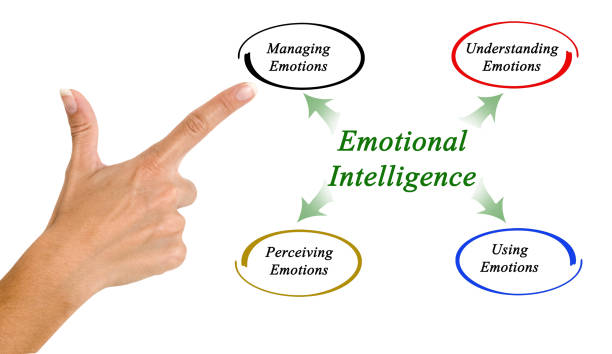
Emotional intelligence is the ability to recognize, understand, and manage your own emotions, as well as to recognize and influence the emotions of others. Coined by psychologist Daniel Goleman, the concept of EQ goes beyond IQ—it’s about empathy, self-awareness, and human connection.
The Five Key Components of Emotional Intelligence:
- Self-Awareness – Understanding your own emotions and how they impact your behavior.
- Self-Regulation – Managing impulses and staying calm under pressure.
- Motivation – Channeling emotions toward achieving goals and maintaining a positive attitude.
- Empathy – Recognizing and understanding others’ feelings.
- Social Skills – Building healthy relationships and effective communication networks.
2. Why Emotional Intelligence Matters in Business
In a corporate setting, emotional intelligence impacts nearly every aspect of performance—from leadership quality to team morale and customer satisfaction.
a. Enhances Leadership Effectiveness
Leaders with high EQ inspire trust and loyalty. They listen actively, manage conflicts with empathy, and motivate their teams even during challenging times. Such leaders foster collaboration instead of competition.
b. Strengthens Workplace Relationships
Emotional awareness creates a positive culture where employees feel valued and understood. Teams communicate better, handle feedback constructively, and support one another through challenges.
c. Improves Decision-Making
Emotionally intelligent professionals can separate emotion from logic when making tough decisions. They consider not just data but also the human impact—leading to more ethical and balanced outcomes.
d. Drives Employee Engagement
People don’t leave companies—they leave poor managers. A leader with empathy and communication skills builds trust and engagement, resulting in higher retention and productivity.
e. Enhances Customer Experience
In business, emotional intelligence extends beyond internal teams. Sales and customer service professionals with high EQ can better interpret customer emotions, personalize interactions, and build long-term loyalty.
3. Emotional Intelligence in Leadership
The best leaders are emotionally intelligent—they lead with both heart and strategy. In times of crisis or rapid change, such leaders keep their teams grounded and optimistic.
Real-World Example:
During uncertain times, leaders like Satya Nadella (Microsoft) and Mary Barra (General Motors) emphasized empathy, inclusion, and adaptability—demonstrating how emotional intelligence fosters innovation and resilience.
High-EQ leaders:
- Listen before reacting.
- Address conflict with understanding.
- Inspire by example, not authority.
- Adapt communication styles to different team members.
4. Building Emotional Intelligence at Work
The good news: emotional intelligence isn’t fixed—it can be developed with practice and intention.
a. Practice Self-Reflection
Take time to analyze your emotions and reactions after meetings or stressful situations. Understanding triggers helps you respond instead of react.
b. Improve Listening Skills
Active listening builds trust. Focus entirely on the speaker instead of thinking about your next response.
c. Learn Empathy
Put yourself in others’ shoes. Try to understand colleagues’ perspectives before making assumptions or decisions.
d. Manage Stress Effectively
Mindfulness techniques, short breaks, and physical exercise can help control emotional responses in high-pressure situations.
e. Seek Constructive Feedback
Invite honest opinions about how you handle communication and emotions. Use this feedback as a tool for personal growth.
5. The Future of Emotional Intelligence in Business
As automation and AI reshape industries, emotional intelligence remains a distinctly human skill. Machines can process data—but not empathy, trust, or creativity. Future-ready businesses will prioritize emotional intelligence when hiring, promoting, and training employees.
Organizations that integrate EQ into leadership development and company culture enjoy:
- Higher employee satisfaction
- Better innovation outcomes
- Stronger customer loyalty
- Greater long-term success
Conclusion
In an era where innovation, collaboration, and adaptability define success, emotional intelligence is no longer optional—it’s essential. Businesses that value empathy and understanding create more engaged employees, loyal customers, and resilient leaders. In short, emotional intelligence isn’t just a soft skill—it’s a strategic advantage that drives sustainable growth and lasting success.