
Extreme Travel: Exploring the Harshest Places on Earth
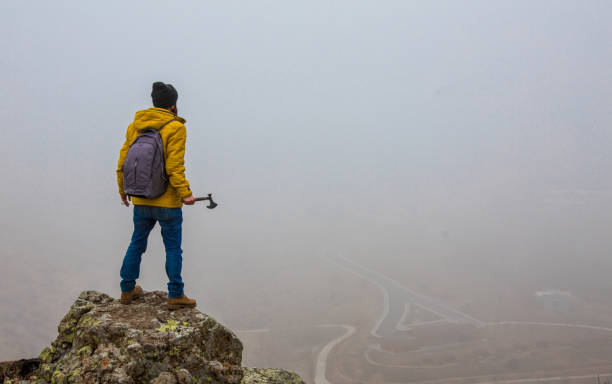
For most travelers, vacation means comfort — tropical beaches, cozy resorts, and picturesque cities. But for a daring few, the thrill lies in venturing where few humans dare to go: the harshest, most unforgiving environments on Earth.
From frozen polar deserts to blazing volcanic plains, these destinations push human endurance to its limits. Yet, their raw beauty and sense of isolation offer a kind of adventure no five-star resort can match.
Here’s a look at the world’s most extreme travel destinations — where the elements test your courage, and nature reveals its most powerful side.
1. Antarctica – The Coldest, Loneliest Continent
Antarctica is the ultimate frontier for extreme travelers. With temperatures plunging below –80°C (–112°F) in winter and fierce katabatic winds, it’s the coldest, driest, and windiest place on Earth.
What makes it extraordinary:
- Vast, otherworldly landscapes of ice and snow.
- Encounters with penguins, seals, and whales.
- Rare opportunities to walk where few humans have set foot.
Travel tip:
Cruises from South America (usually departing from Ushuaia, Argentina) offer guided expeditions. Bring specialized gear and prepare for unpredictable weather — even summer here is brutally cold.
2. Danakil Depression, Ethiopia – Earth’s Hottest Inhabited Place
Often called the “Gateway to Hell,” the Danakil Depression is one of the most surreal and inhospitable places on the planet. Temperatures can soar beyond 50°C (122°F), and the landscape is a vivid mix of lava lakes, acid pools, and salt flats.
What makes it extraordinary:
- The bright, alien colors of sulfur fields and salt formations.
- Active volcanoes like Erta Ale, where you can see molten lava up close.
- Nomadic Afar tribes who call this extreme environment home.
Travel tip:
Only travel with experienced guides. Conditions are harsh and remote, but witnessing this fiery landscape feels like stepping onto another planet.
3. Atacama Desert, Chile – The Driest Desert on Earth
The Atacama Desert sees almost no rain — parts of it haven’t received measurable rainfall for centuries. Yet, it’s one of the most breathtaking destinations for adventure seekers.
What makes it extraordinary:
- Mars-like terrain used by NASA to test rovers.
- Salt flats, geysers, and flamingo-dotted lagoons.
- Some of the world’s clearest night skies for stargazing.
Travel tip:
Stay in San Pedro de Atacama as your base. Visit El Tatio Geysers at dawn and Valle de la Luna (Moon Valley) for sunset views that feel otherworldly.
4. Mount Everest Base Camp, Nepal – Where Air Grows Thin
Climbing Mount Everest might be the ultimate test of endurance, but even reaching Base Camp at 5,364 meters (17,598 ft) is a feat of willpower. The journey demands stamina, acclimatization, and mental strength.
What makes it extraordinary:
- Panoramic views of the world’s tallest peaks.
- Immersion in Sherpa culture and Himalayan life.
- The sense of achievement that comes from trekking at extreme altitude.
Travel tip:
Train months in advance. Acclimatize slowly and stay hydrated. While it’s physically demanding, it’s also one of the most rewarding experiences for serious adventurers.
5. Sahara Desert, North Africa – Endless Sands and Searing Heat
Stretching across 11 countries, the Sahara is the largest hot desert on Earth. By day, it’s scorching — temperatures can exceed 45°C (113°F) — and by night, it drops close to freezing.
What makes it extraordinary:
- Towering sand dunes and ancient oases.
- Camel treks and star-studded skies unlike anywhere else.
- Encounters with Berber nomads who’ve mastered desert survival.
Travel tip:
Best explored between October and April, when temperatures are milder. Pack for both heat and cold — desert nights can be surprisingly frigid.
6. Iceland’s Highlands – A Land of Fire and Ice
Iceland’s interior is wild, rugged, and mostly uninhabited — a land where volcanoes, glaciers, and lava fields coexist. Summer travelers can hike across black deserts, steaming hot springs, and ice caves in a single day.
What makes it extraordinary:
- Active volcanoes like Hekla and Askja.
- Epic landscapes formed by glacial rivers and geothermal power.
- The chance to witness the Northern Lights or Midnight Sun, depending on the season.
Travel tip:
A 4×4 vehicle is essential — many roads are unpaved and impassable in bad weather. The best time to explore is between June and September.
7. Socotra Island, Yemen – Earth’s Most Alien Island
Socotra’s isolation has made it one of the most biodiverse and surreal places on the planet. Home to the Dragon’s Blood Tree and over 700 endemic species, it looks like a landscape from science fiction.
What makes it extraordinary:
- Dreamlike beaches and unique wildlife.
- Ancient culture and pristine ecosystems.
- A feeling of being utterly disconnected from the modern world.
Travel tip:
Access is limited, and travel logistics can be challenging — but those who make it are rewarded with one of Earth’s last untouched paradises.
8. Siberia, Russia – The Land of Endless Winter
Siberia is vast, remote, and fiercely cold — winter temperatures can plunge to –60°C (–76°F). Yet, it’s home to rugged mountains, frozen lakes, and resilient people who thrive in its extreme climate.
What makes it extraordinary:
- Lake Baikal, the world’s deepest freshwater lake, freezes into crystal-clear ice.
- The Trans-Siberian Railway, the longest rail journey on Earth.
- Vast wilderness for off-grid adventure.
Travel tip:
Visit in winter for the full Arctic experience — or in summer for lush, mosquito-filled forests and endless daylight.
Why Extreme Travel Matters
Extreme travel isn’t about danger — it’s about discovery. These destinations challenge comfort zones and redefine what it means to explore. They reveal the power of nature, the resilience of humans, and the beauty hidden in Earth’s harshest corners.
In an age of digital convenience, there’s something profoundly human about confronting the elements — to stand in places where life itself feels miraculous.