
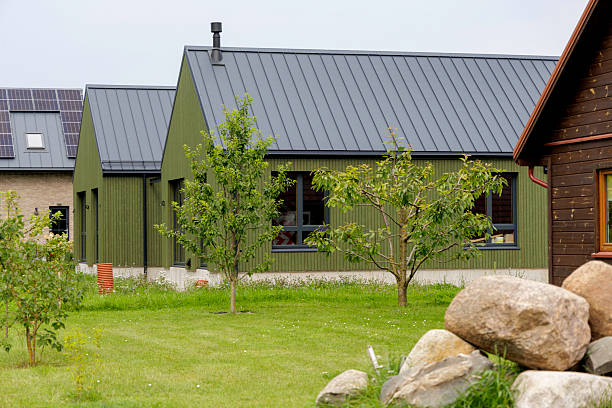
Green Buildings: The Future of Sustainable Real Estate Investment
Introduction
The world of real estate is undergoing a major transformation — one that aligns profitability with sustainability. As environmental awareness grows and governments tighten regulations, green buildings have emerged as the future of real estate investment.
These structures are designed to minimize environmental impact, reduce energy consumption, and promote healthier living spaces. For investors, they represent not only an ethical choice but also a strategic financial opportunity. Let’s explore how sustainable building practices are redefining real estate and why now is the perfect time to invest in them.
What Are Green Buildings?
A green building is a property that uses environmentally responsible and resource-efficient practices throughout its life cycle — from design and construction to operation and maintenance.
These buildings focus on:
- Energy efficiency through smart systems and renewable power sources
- Water conservation via recycling and efficient plumbing
- Sustainable materials that reduce waste and emissions
- Healthy indoor environments that enhance occupant well-being
Globally recognized certifications like LEED (Leadership in Energy and Environmental Design) and BREEAM (Building Research Establishment Environmental Assessment Method) set the standards for such eco-conscious projects.
Why Green Buildings Are the Future of Real Estate Investment
1. Rising Demand for Sustainability
Modern consumers and businesses are prioritizing sustainability more than ever. Tenants prefer eco-friendly spaces that lower utility bills and promote healthier living or working conditions. As awareness grows, green-certified properties command higher occupancy rates and rental premiums.
2. Long-Term Cost Savings
Green buildings might require a slightly higher initial investment, but they pay off significantly in the long run.
- Energy-efficient lighting and HVAC systems cut electricity costs.
- Smart water systems reduce wastage.
- Renewable energy sources, like solar panels, lower long-term operational expenses.
In deregulated energy markets, property managers can further optimize costs by comparing providers such as refujio electricity rates to secure the most competitive utility pricing for their buildings.
These savings directly enhance property value and ROI for investors.
3. Government Incentives and Regulations
Many countries now offer tax benefits, subsidies, or fast-track approvals for sustainable construction projects. Simultaneously, new laws are pushing developers to adhere to green building codes. Investing early in sustainable real estate ensures compliance and future-proofing against regulatory changes.
4. Enhanced Property Value
Sustainability adds tangible and intangible value. Green buildings often have:
- Higher resale potential
- Longer lifespans due to quality materials
- Lower maintenance costs
According to global property studies, green-certified assets outperform conventional properties in both rental yield and long-term appreciation.
5. Corporate ESG Goals and Investor Appeal
With Environmental, Social, and Governance (ESG) investing on the rise, institutional investors are favoring portfolios that include sustainable assets. Owning or developing green buildings aligns perfectly with these goals, attracting funding and improving brand reputation.
Technologies Driving Green Construction
Sustainable real estate relies heavily on innovation. Key technologies shaping green buildings include:
- Smart energy systems: Automated lighting, temperature control, and energy monitoring.
- Solar power integration: Panels and solar tiles for renewable energy.
- Rainwater harvesting & greywater recycling: Efficient water management.
- Green roofs & vertical gardens: Natural insulation and urban cooling.
- Eco-friendly materials: Bamboo, recycled steel, and low-VOC paints for healthier interiors.
- Building Information Modeling (BIM): Streamlines construction efficiency and minimizes waste.
These innovations create buildings that are smarter, cleaner, and more cost-effective to operate.
The Economic and Environmental Benefits
Green buildings represent a win-win scenario for both investors and the planet:
- Reduced Carbon Footprint: Lower greenhouse gas emissions and resource usage.
- Lower Operational Costs: Energy-efficient designs cut expenses by up to 30%.
- Improved Health & Productivity: Clean air and natural light boost occupant well-being.
- Future Resilience: Sustainable buildings adapt better to climate-related risks.
For investors, this translates into stronger returns, lower risks, and lasting relevance in a market increasingly shaped by environmental responsibility.
Challenges in Adopting Green Real Estate
While the potential is massive, challenges do exist:
- Higher upfront costs for sustainable materials and technology.
- Limited awareness among smaller developers and buyers.
- Certification complexity — obtaining LEED or BREEAM approval requires expertise.
However, as demand and technology improve, these barriers are steadily declining. The long-term financial and environmental payoffs far outweigh initial challenges.
The Future Outlook
The future of real estate investment is undeniably green. Global trends indicate that by 2030, a significant portion of commercial and residential construction will follow sustainable design standards. Investors focusing on eco-friendly projects today will gain a major competitive advantage tomorrow.
As climate change becomes an economic concern as much as an environmental one, the value of sustainable assets will only continue to grow. Investing in green buildings is no longer just about doing what’s right — it’s about doing what’s smart.
Conclusion
Green buildings are transforming the real estate landscape — blending sustainability with profitability. For investors, they offer stable returns, reduced risk, and alignment with global sustainability goals.
By embracing green construction now, you’re not just investing in property — you’re investing in the planet’s future. The path to sustainable success starts with one smart choice: going green.