

How Can Concrete Mixers Improve Site Efficiency?
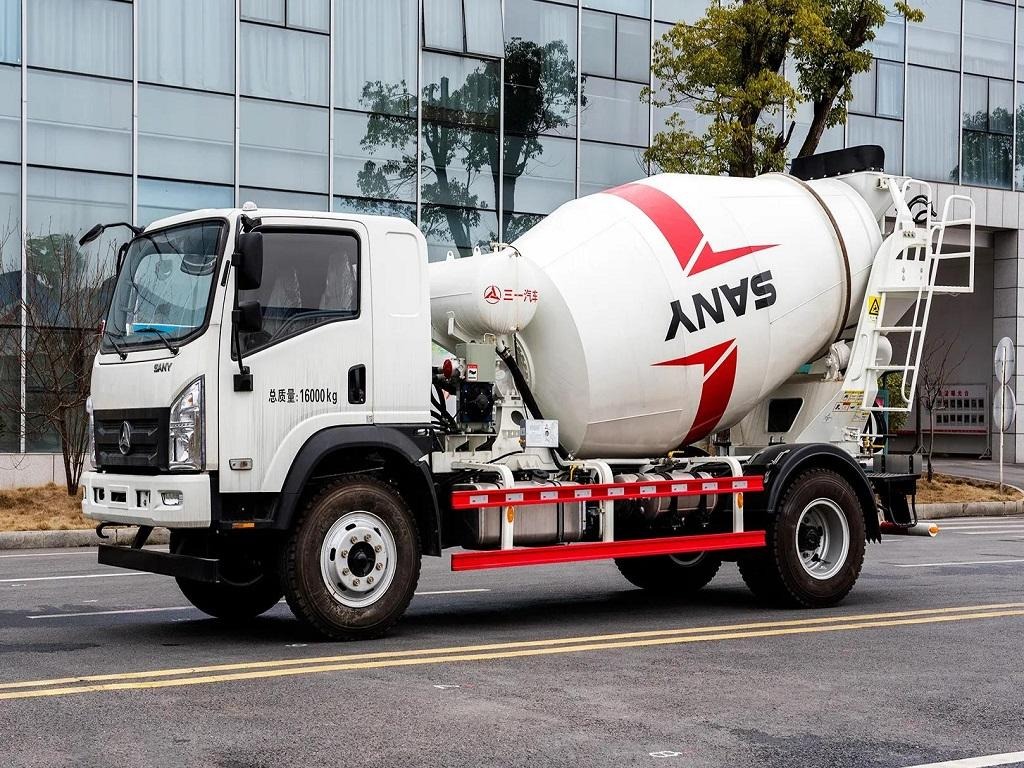
Concrete mixers play a crucial role in streamlining construction projects. These machines not only automate labor-intensive tasks but also ensure high-quality output. With the right equipment, construction crews can achieve faster project delivery, reduce manual labor, and cut overall costs. As construction demands grow, the need for efficient operations becomes more pressing. By adopting concrete mixers, job sites can enhance productivity and meet tight schedules. This article will explore how concrete mixers improve site efficiency, offering insights into their operational benefits and best practices.
Why Concrete Mixers Are Essential on Job Sites?
Concrete mixers automate one of the most labor-intensive aspects of construction. By mechanizing the mixing process, these machines ensure a homogenous mixture, something challenging to achieve through manual stirring. Automation saves time and reduces the number of workers required on site, allowing them to focus on other critical tasks. With consistent mixing, the quality of concrete improves, leading to stronger and more durable structures. The efficiency of a modern machinery mixer means projects can be completed faster and with fewer delays. Reducing the reliance on manual labor not only enhances productivity but also minimizes human error. The automation provided by concrete mixers is a game-changer in modern construction.
Key Ways Mixers Boost Efficiency
Consistent Quality for Every Batch
Consistency is key in construction, and concrete mixers deliver just that. By using these machines, every batch of concrete has a uniform quality, which is essential for structural integrity. The automated mixing process ensures the perfect blend of cement, sand, and water, reducing the risk of weak spots in the finished structure. Consistent quality also means fewer repairs or reworks, speeding up project timelines and lowering expenses. The reliability of mixers eliminates the variability that often comes with manual mixing. This consistency fosters faster project delivery and satisfaction for clients, as high-quality results are guaranteed with each batch.
On-Site Mixing Reduces Delays
Concrete mixers offer the advantage of on-site mixing, which is pivotal in minimizing project delays. Instead of relying on pre-mixed concrete that needs transport, mixers allow teams to prepare concrete directly where it’s needed. This ability drastically reduces waiting times associated with deliveries and prevents bottlenecks. On-site mixing ensures that fresh concrete is always available, avoiding potential hardening of transported concrete. This flexibility accelerates project timelines, allowing workers to proceed without interruption. Mixers empower crews to respond swiftly to demands, optimizing the sequence of construction tasks and keeping projects on schedule.
Cut Material Waste and Costs
Waste reduction is a significant benefit of using concrete mixers. With precise mixing capabilities, these machines ensure only the necessary amount of concrete is produced, minimizing overproduction and waste. Fewer wasted materials mean lower costs, as project managers save on both raw materials and disposal expenses. By cutting down on waste, projects also become more environmentally friendly, aligning with sustainability goals. Efficiency in material usage translates to cost savings, leaving room for investment in other areas of the project. Concrete mixers offer a practical solution to reducing waste and optimizing the use of resources on construction sites.
Best Practices to Use Mixers Effectively
Plan Batches and Site Layout
Effective planning is crucial to maximizing the benefits of concrete mixers. By carefully scheduling batches, project managers can ensure that the right amount of concrete is available when needed, preventing idle time. Strategically placing the mixer on the site allows for easy access, reducing the time taken to transport mixed concrete to different areas. Coordinating with other construction activities ensures the seamless integration of concrete mixing into the workflow. Planning also involves considering weather conditions, which can impact curing times and quality. Thoughtful preparation ensures that mixers operate at peak efficiency, enhancing overall site productivity.
Train Crew for Faster Operation
Training the construction crew in the proper operation of concrete mixers is essential for maximizing their efficiency. Skilled operators can swiftly set up, operate, and maintain mixers, optimizing productivity. Understanding the equipment’s functionalities enables teams to troubleshoot minor issues quickly, reducing downtime. Training also helps in ensuring safety, preventing accidents, and ensuring the longevity of the mixers. Upskilling the crew enhances job satisfaction, as they become proficient in handling advanced machinery. A well-trained team contributes to smoother operations, faster project timelines, and greater overall efficiency on the construction site.
Conclusion
Concrete mixers significantly enhance construction efficiency by automating the mixing process, which saves time and reduces labor costs. These machines ensure consistent quality, which is vital for structural integrity and faster project delivery. On-site mixing availability also reduces delays, while precision in mixing cuts down on material waste and associated costs. By planning effectively and training workers, construction teams can further optimize the benefits of mixers. Embracing concrete mixers as part of a modern construction toolkit leads to robust structures delivered on time and within budget, marking a noticeable improvement in site operations.