

How to Select the Right Concrete Pump for Your Project?
Choosing the correct concrete pump can significantly impact your construction project’s efficiency and success. This decision involves evaluating various factors such as project requirements, pump features, cost, and support. An appropriate concrete pump ensures timely delivery and precise placement of concrete, enhancing productivity while reducing risks. Understanding how to match pump characteristics with your project’s specific needs can streamline operations and help manage your budget effectively. This guide provides practical tips on selecting the right concrete pump by analyzing project size, distance requirements, site conditions, and budget considerations, ensuring you make an informed choice that meets all operational needs.
Evaluate Your Project Requirements
Selecting the perfect concrete pump begins with a thorough analysis of your project’s requirements. Early assessment allows project managers to determine the appropriate pump type that aligns with job size, concrete volume, and placement needs. Understanding these initial factors lays a foundation for seamless operation and efficient on-site performance.
Assess Project Size and Scope
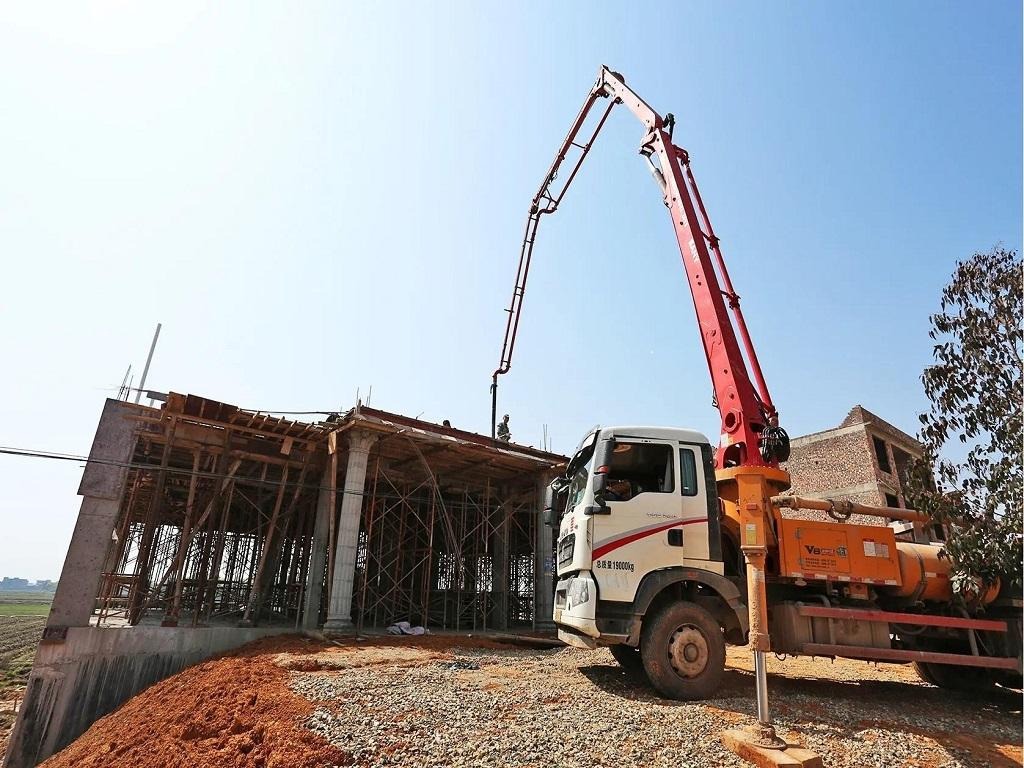
Project size plays a crucial role in pump selection. Larger projects may require high-capacity pumps that can deliver concrete swiftly and continuously to meet increased demands. Consider the total volume of concrete your tasks need, factoring in the frequency of pours and the speed of delivery desired. Smaller projects can often use trailer-mounted pumps due to their cost-effectiveness and maneuverability. Scope considerations also matter; are you working on high-rise buildings or expansive flat surfaces? High-rise constructions benefit from boom pumps, capable of reaching great heights, whereas flat surfaces might suffice with a simpler line pump. Carefully evaluating these aspects ensures your chosen pump can accommodate all operational demands efficiently.
Consider Distance and Height Needs
Distance and height directly impact pump selection. When dealing with projects spread over vast areas or vertical structures like multi-story buildings, choosing a pump with appropriate reach is crucial. Boom pumps are generally preferred for projects requiring significant vertical reach, given their extended range through articulated arm attachments. For horizontal placements across expansive sites, line pumps might be suitable since they can be positioned closer to the action. Evaluate the maximum distance and elevation from the concrete source to the placement site. These geographical features should guide your pump choice, ensuring the equipment can perform without interruption, preserving concrete integrity along the path. Accurate distance and height assessments are key in achieving effective and efficient concrete placement strategies.
Match Pump Features to Site Conditions
Understanding site conditions is vital in selecting a pump that aligns with operational demands. Factors such as accessibility, terrain, and space available influence your choice, ensuring the pump’s features are tailored to accommodate these physical constraints effectively.
Check Pump Capacity and Reach
Pump capacity defines the amount of concrete it can handle within a given time, impacting project duration and cost efficiency. High-capacity pumps are ideal for large or quick turnaround tasks. Additionally, reach features should match the project’s geographic needs; boom pumps with extended reach can navigate challenging elevations while line pumps are suited for straightforward, accessible sites. Assessing these specifications guarantees the pump’s capability aligns with your placement goals, ensuring optimal productivity on-site.
Review Accessibility and Terrain Challenges
Not all site environments are the same. Accessibility dictates how easily pumps can be transported and positioned, while terrain conditions can challenge placement efforts. Rough or uneven surfaces may require more robust pumps, capable of navigating tight or irregular spaces, ensuring proper concrete delivery without delays. Additionally, consider entry points and available space for pumps and associated machinery; ensure clear paths for efficient movement and operation. Evaluating these elements beforehand ensures your chosen pump can handle site-specific challenges, maintaining operational flow and minimizing disruptions to project timelines.
Budget, Operation, and Support Considerations
Budget constraints, operating costs, and equipment support play pivotal roles in finalizing pump selection. They influence overall efficiency and longevity of use, impacting the bottom line.
Compare Costs and Fuel Needs
Concrete pumps come with variable pricing based on type and capacity. Balancing upfront costs with operational efficiency is essential in budget management. Additionally, fuel consumption varies by pump type; higher-capacity pumps may have greater fuel needs, impacting cost calculations. Compare models based on fuel efficiency and long-term operational costs, selecting a pump that offers optimal performance at the lowest expense, ensuring fiscal responsibility aligns with project demands.
Factor in Maintenance, Warranty, and Support
Maintenance protocols, warranty offers, and manufacturer support are determining factors for pump longevity and reliability. Pumps with lower maintenance demands reduce downtime and keep operations smooth. Reviewing warranty terms ensures coverage for potential equipment failures. Manufacturer support provides valuable assistance for troubleshooting and operational guidance. Assessing these aspects guarantees your pump choice sustains performance, offering peace of mind throughout project completion, safeguarding investment value.
Conclusion
Making an informed choice in concrete pump selection can transform project efficiency, reducing risks and maximizing productivity. By understanding project requirements, site conditions, and budget considerations, you equip yourself with the knowledge to select a pump that aligns with both operational needs and fiscal strategies. This guide’s insights assist in aligning pump features with specific job demands, ensuring your chosen equipment elevates project performance, offering reliable and efficient concrete delivery. Prioritize careful selection to ensure seamless construction progress, bolstering success from foundation to finishing touches.