

How to Start a Successful Live Stream: A Beginner’s Guide
Live streaming is now a natural part of daily digital life, whether for sharing hobbies, teaching, or real-time connection. Many beginners think it’s complicated or requires expensive gear, but successful streams often start with simple setups and clear goals. What matters more than tech is preparation, consistency, and understanding your audience. Even casual streamers can build meaningful engagement by focusing on clarity, comfort, and interaction. With the right mindset, streaming feels less like a performance and more like a conversation. This article offers practical, beginner-friendly steps to start streaming with confidence and purpose.
Plan Your First Stream
Define Your Goal and Target Audience
Every successful live stream begins with a clear goal that guides your decisions. You may want to educate, entertain, promote a service, or simply connect with like-minded people. Knowing your goal helps determine your tone, length, and structure, making the stream feel intentional rather than random. Identifying your target audience is equally important, as different viewers expect different levels of detail and interaction. For example, beginners usually appreciate slower explanations and clear examples. When you align your goal with your audience’s needs, your stream feels more relevant and rewarding for everyone involved.
Choose the Right Topic and Format
Selecting the right topic makes it easier to speak confidently and naturally during your stream. Beginners often do best with topics they already know well, as this reduces nervousness and awkward pauses. The format should also match both your personality and your audience’s habits, such as tutorials, Q&A sessions, or casual discussions. A clear structure helps viewers understand what to expect and stay longer. Planning a loose outline keeps you focused without sounding scripted. Over time, experimenting with different formats helps you discover what resonates most with your audience.
Set Up Your Basic Equipment
Essential Audio and Video Gear
Good audio quality often matters more than perfect video, especially for first-time streamers. Viewers are more likely to leave a stream with unclear sound than one with average visuals, which is why many creators sharing content on mydrama prioritize clear, well-balanced audio. A simple external microphone can significantly improve clarity compared to built-in options. For video, a basic camera or even a modern laptop camera is usually sufficient when lighting is adequate. Positioning yourself facing a light source, like a window, helps create a clean and professional look. Starting simple allows you to focus on content rather than constantly adjusting equipment.
Selecting Streaming Software
Streaming software acts as the bridge between your camera, microphone, and your audience. Beginner-friendly tools often provide simple interfaces and helpful presets to reduce setup stress. It’s important to choose software that supports stable connections and basic features like screen sharing or chat display. Some creators prefer solutions that can scale as their streams grow more complex over time. For those planning interactive or professional-level broadcasts, solutions like Tencent rtc’s live streaming sdk can offer reliable performance and real-time engagement features that support smooth viewer experiences. Choosing the right software early helps avoid technical frustration during live sessions.
Choose Your Platform and Promote
Comparing Popular Streaming Platforms
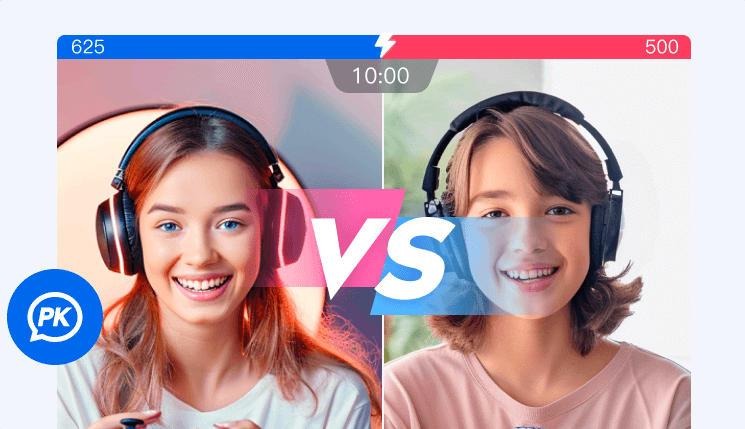
Different streaming platforms attract different types of audiences and content styles. Some platforms favor casual interaction, while others are better suited for educational or professional streams. Understanding where your target audience already spends time helps you make a smarter choice. Platform features such as chat moderation, replay options, and analytics can also influence your decision. Beginners should prioritize ease of use and community engagement over advanced customization. Selecting the right platform makes your early streaming experience more encouraging and less overwhelming.
How to Announce Your Stream in Advance
Promotion plays a crucial role in attracting viewers, especially when you are just starting out. Announcing your stream in advance gives people time to plan and builds anticipation. Sharing details like the topic, time, and duration helps set clear expectations. Simple reminders on social channels or community groups can significantly improve attendance. Consistency in scheduling also helps viewers remember and return. Even small promotional efforts can make your first streams feel more lively and interactive.
Engage Your Audience During the Stream
Tips for a Confident and Natural Delivery
Confidence grows with preparation and realistic expectations. Speaking naturally, as if talking to a friend, helps reduce nervousness and creates a welcoming atmosphere. It’s normal to make small mistakes, and most viewers appreciate authenticity over perfection. Pausing occasionally to collect your thoughts can make your delivery clearer and calmer. Maintaining eye contact with the camera helps simulate direct communication. Over time, regular streaming builds confidence and makes on-camera speaking feel more comfortable.
How to Interact with Live Chat
Live chat is one of the biggest advantages of streaming, allowing real-time interaction with viewers. Acknowledging comments and answering questions makes viewers feel valued and heard. Even small responses can significantly increase engagement and retention. It’s helpful to occasionally pause your main topic to check chat messages. Setting simple rules for respectful communication keeps the environment positive. Active interaction transforms a stream from a presentation into a shared experience.
Review and Improve
Analyze Your Stream’s Performance
Reviewing your stream afterward provides valuable insights for improvement. Metrics like viewer count, watch time, and chat activity help identify what worked well. Watching replays allows you to notice pacing issues or technical problems you may have missed live. Feedback from viewers can highlight strengths and areas for growth. Beginners should focus on progress rather than perfection when reviewing performance. Each stream becomes a learning opportunity that builds long-term confidence.
Plan Your Next Stream Based on Feedback
Using feedback effectively helps you refine your content and delivery. Small adjustments, such as clearer explanations or better timing, can make a noticeable difference. Planning future topics based on viewer interest increases engagement and loyalty. Keeping notes after each stream helps track patterns and improvements over time. Consistency combined with gradual improvement leads to steady growth. By listening to your audience, your live streams naturally become more engaging and enjoyable.
Conclusion
Starting live streaming does not require advanced skills or expensive tools, but it does benefit from thoughtful preparation and patience. By planning your content, setting up reliable equipment, choosing the right platform, and engaging sincerely with viewers, you can create streams that feel natural and rewarding. Improvement comes with practice, reflection, and a willingness to adapt based on feedback. Live streaming is ultimately about connection, not perfection. When approached with a calm and practical mindset, it becomes an accessible way to share ideas and build community. With consistency and confidence, your streaming journey can grow into a meaningful and enjoyable experience.