

The New Meaning of Balance: How Wellness, Confidence, and Lifestyle Habits Are Evolving in 2026
Balance used to be a simple idea: eat well, stay active, get enough sleep, and try not to overthink it. But in recent years, wellness has become more personal, less about following broad instructions and more about finding what genuinely supports an individual body and mind. For some people, that shift looks like slowing down, paying attention to energy levels, and choosing routines that feel supportive rather than forced. For others, it means exploring personalised nutrition, supplements, and daily rituals that align with their unique needs, whether that’s starting the morning with meditation, hydration, or even taking a bariatric multivitamin with iron chewable as part of a doctor-guided wellness routine.
This evolution isn’t about complexity. It’s about intentionality. Wellness in 2026 isn’t defined by perfection; it’s defined by awareness, flexibility, and comfort in the process rather than the outcome.
Confidence Is Becoming a Lifestyle, Not a Look
One of the biggest cultural shifts in wellness is the way people now talk about confidence. Instead of treating it as something earned only after achieving certain goals, confidence is increasingly seen as a practice, something shaped by how we treat ourselves, speak to ourselves, and dress for ourselves.
Clothing plays a surprisingly meaningful role in this shift. It’s no longer just about trends or aesthetics, it’s about feeling at ease in our own skin. The rise of comfortable fabrics, relaxed silhouettes, adaptive sizing, and inclusive fit guidance reflects that change. Even summer wear, once tied tightly to aesthetics and pressure, now leans toward personal comfort and choice. Someone might wear loose linen on holiday or choose bikinis simply because they genuinely enjoy the feeling of sunlight and saltwater, not because they’re chasing an image.
Confidence is less about comparison and more about connection: to self, to environment, and to what feels authentically aligned.
Routines Are Becoming Flexible Rather Than Rigid
The idea of a strict morning routine has softened. While some people still enjoy structured schedules, many are discovering that routines don’t need to follow a script to be effective. Some days begin with movement, others with quiet reflection, and sometimes the best routine is no routine at all.
What matters is alignment, not repetition.
Small habits now carry more weight than aspirational regimens. Micro-meditation, slow breakfasts, evening tech-off rituals, and daily outdoor time are increasingly recognised as meaningful wellness anchors that support long-term balance without demanding perfection.
According to the National Institutes of Health, individualised lifestyle patterns and personalised health strategies can increase long-term adherence and satisfaction compared to rigid universal wellness plans. This research reflects a cultural truth: flexibility supports consistency.
Health Is Becoming Holistic
Another shift shaping 2026 wellness culture is the growing understanding that health isn’t only physical, it includes emotional, mental, social, and environmental well-being. That means rest isn’t laziness; it’s maintenance. Setting boundaries isn’t distancing; it’s preservation. Joy, comfort, curiosity, and self-respect are seen as valid health priorities, sometimes equal to nutrition, activity, and sleep.
We’re beginning to ask new questions:
- Does this habit support my energy or drain it?
- Do I feel grounded, rushed, or disconnected?
- Am I listening to my body or overriding it?
Holistic well-being acknowledges that health isn’t a checklist, it’s a dynamic relationship.
Personal Expression Is Part of Wellness
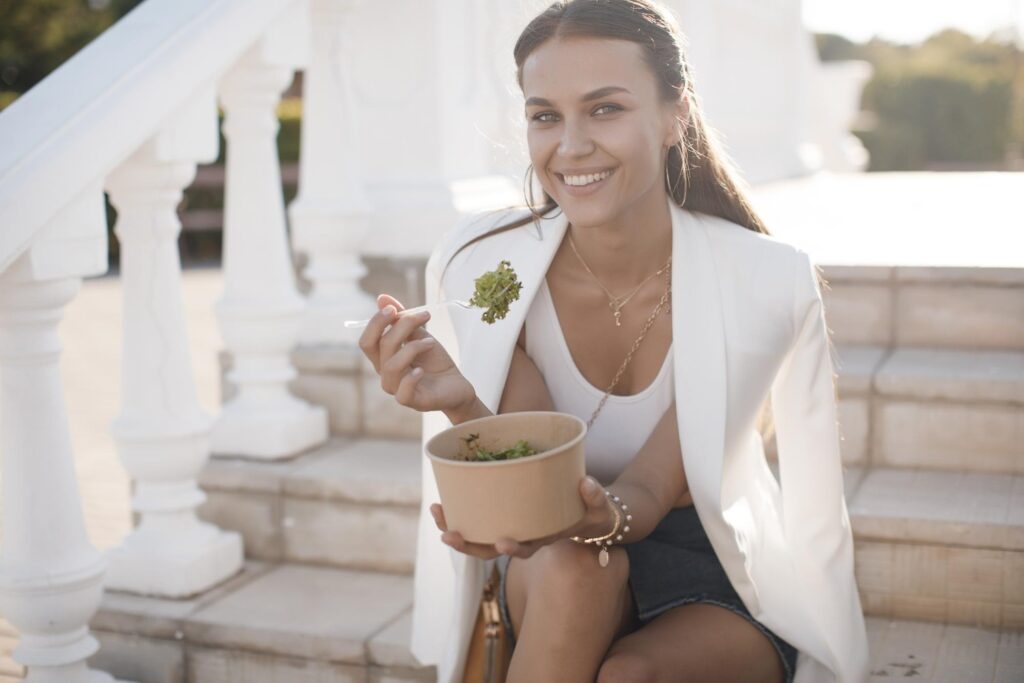
Whether through clothing, hobbies, music, travel, or personal rituals, people are now expressing wellness through choices that reflect who they are, not who they think they should be.
For some, that looks like cold-water swimming or yoga retreats. For others, it’s learning pottery, refreshing a home space, gardening, skincare rituals, or weekend digital detoxes. Instead of a singular “right way” to be well, there are endless paths, and many people combine several without needing to label the experience.
What matters isn’t how wellness looks but how it feels.
Community Is Replacing Competition
Wellness used to feel competitive, who ran more, ate cleaner, meditated longer. Today, the tone is shifting toward support and community. People share recipes, celebrate small wins, recommend resources, and honour rest days. There’s more room for imperfection, vulnerability, and conversation.
This human connection may be one of the strongest drivers of wellness today: knowing we don’t have to do everything alone.
The Future of Wellness Is Personal
As we move deeper into 2026, one message becomes clear: health is no longer about forcing the body into a standardised system, it’s about discovering what helps us thrive.
Wellness is becoming less performative and more intuitive. Less rigid and more compassionate. Less about chasing outcomes and more about experiencing life with presence, comfort, and confidence.
Balance isn’t a final destination, it’s something that shifts as life unfolds. The most meaningful wellness practices now are those that adapt with us: habits we can hold lightly, routines that support rather than restrict, and choices that help us feel connected to ourselves.
In this new era of personalised well-being, the most important question isn’t “Am I doing enough?” but rather, “Does this support the version of myself I’m becoming?”