
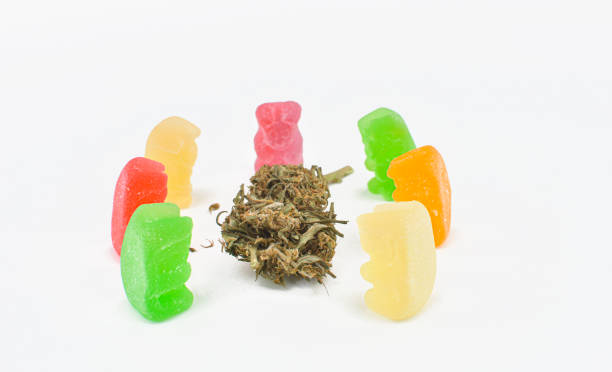
Weed Gummies Laws by State: What’s Legal in 2025
As of 2025, the legal status of weed gummies—commonly known as THC-infused edibles—varies significantly across the United States. Understanding where these products are legal, and under what conditions, is crucial for consumers and businesses alike.
Federal Overview: The 2018 Farm Bill
The 2018 Farm Bill legalized hemp-derived products containing less than 0.3% Delta-9 THC by dry weight. This federal regulation paved the way for the proliferation of hemp-derived THC gummies, which are legal in many states as long as they adhere to this THC limit Neurogan.
States Where Weed Gummies Are Fully Legal
In 2025, several states have legalized both medical and recreational cannabis use, including the consumption of THC edibles like gummies. These states have established regulated markets for cannabis products, ensuring quality control and consumer safety. Notable examples include:
- California
- Colorado
- Illinois
- Michigan
- New York
- Oregon
- Washington
In these states, adults aged 21 and over can legally purchase and consume THC gummies from licensed dispensaries.
States with Medical-Only Legalization
Some states permit the use of THC gummies exclusively for medical purposes. In these states, individuals must obtain a medical marijuana card and purchase edibles from state-licensed medical dispensaries. Examples include:
- Florida
- Pennsylvania
- Ohio
These states have established medical cannabis programs that allow patients with qualifying conditions to access THC-infused products under strict regulatory oversight NCSL.
States Allowing Only Hemp-Derived THC Gummies
Several states permit the sale and consumption of hemp-derived THC gummies, which contain less than 0.3% Delta-9 THC by dry weight. These products are often sold in general retail outlets and do not require a medical prescription. States where this is allowed include:
- Texas (following a gubernatorial veto of a ban on THC products in 2025)
- Georgia
- Tennessee
However, it’s important to note that while these products are legal under federal law, some states have enacted additional restrictions or bans on certain hemp-derived cannabinoids, such as Delta-8 THC MoonWlkr.
States Where Weed Gummies Are Fully Illegal
In contrast, some states have stringent laws prohibiting the sale and possession of THC gummies, regardless of their source. These states classify all forms of THC as controlled substances. Notable examples include:
- Idaho
- Nebraska
- South Dakota
In these states, both hemp-derived and marijuana-derived THC products are illegal, and possession can lead to legal penalties World Population Review.
Legal Nuances and Considerations
The legality of weed gummies can be complex, influenced by factors such as:
- Source of THC: Hemp-derived THC (under 0.3%) is federally legal, while marijuana-derived THC remains illegal federally.
- State Legislation: States have the authority to impose stricter regulations or outright bans on THC products.
- Product Composition: Some states have specific limits on THC content per serving or per package.
Consumers should always verify the specific laws in their state and consult with local authorities or legal experts if uncertain about the legality of THC-infused products.
Conclusion
The legal landscape for weed gummies in 2025 is diverse and rapidly evolving. While many states have embraced the legalization of THC-infused edibles, others maintain strict prohibitions. It’s essential for consumers to stay informed about the laws in their respective states to ensure compliance and safe consumption.