

What Is a Sweeper Role – The Forgotten Art of Defensive Intelligence
According to research by Socolive TV In football’s history, few positions evoke as much tactical beauty as the sweeper. The phrase what is a sweeper role refers to a unique defensive position that once dictated the rhythm of elite teams. Though modern tactics have evolved, the sweeper remains a timeless symbol of reading the game, anticipation, and control from the back line.
Understanding the Foundation: What Is a Sweeper Role in Football
To grasp what is a sweeper role, one must look beyond simple defense. The sweeper – or libero – combined defensive resilience with creative intelligence, often shaping both attack and defense.
Origins of the Sweeper Role
The sweeper emerged in the mid-20th century as football tactics began to evolve. Italian managers, especially under the “catenaccio” system, positioned a player behind the center-backs to intercept loose balls and organize play. This deeper defender was the libero — a “free man” unassigned to mark opponents, giving tactical flexibility that defined an era.
Core Responsibilities of a Sweeper
Unlike standard defenders, the sweeper’s main task wasn’t just to tackle but to anticipate. They cleared dangerous balls, covered teammates, and initiated counterattacks. Their freedom allowed them to turn defense into offense seamlessly. The role demanded exceptional vision, calmness, and communication — a mental game as much as a physical one.
Evolution Through Tactical Systems
During the 1970s and 1980s, the sweeper became a cornerstone of European football. Players like Franz Beckenbauer perfected the art, redefining how defense could influence attack. The sweeper’s versatility shaped strategies and inspired modern defenders to embrace playmaking responsibility.
Modern Interpretations and the Tactical Impact of What Is a Sweeper Role
Although traditional sweepers are rare today, understanding what is a sweeper role helps explain modern defensive systems, including how goalkeepers and center-backs now share similar duties.
Transition from Libero to Ball-Playing Defender
As football moved toward high pressing and zonal marking, the need for a designated sweeper decreased. Yet, its principles remain alive in ball-playing defenders like Leonardo Bonucci or Virgil van Dijk, who control tempo and build play from deep. These players act as “modern sweepers,” blending classic anticipation with advanced passing ability.
You can see more here on Socolive TV: https://holebi.info/ket-qua-bong-da/
Goalkeepers as the New Sweepers
The rise of the “sweeper-keeper” is the modern interpretation of the old role. Goalkeepers such as Manuel Neuer and Ederson now step out of the box to intercept through balls, launch attacks, and maintain defensive control. The spirit of the libero lives on — just in gloves rather than boots.
The Sweeper’s Tactical Value in Defensive Balance
Even without a defined position, the sweeper’s philosophy remains essential. Teams still rely on players capable of reading danger early, recovering space, and providing leadership at the back. In essence, the modern defensive balance owes much to this once-iconic position.
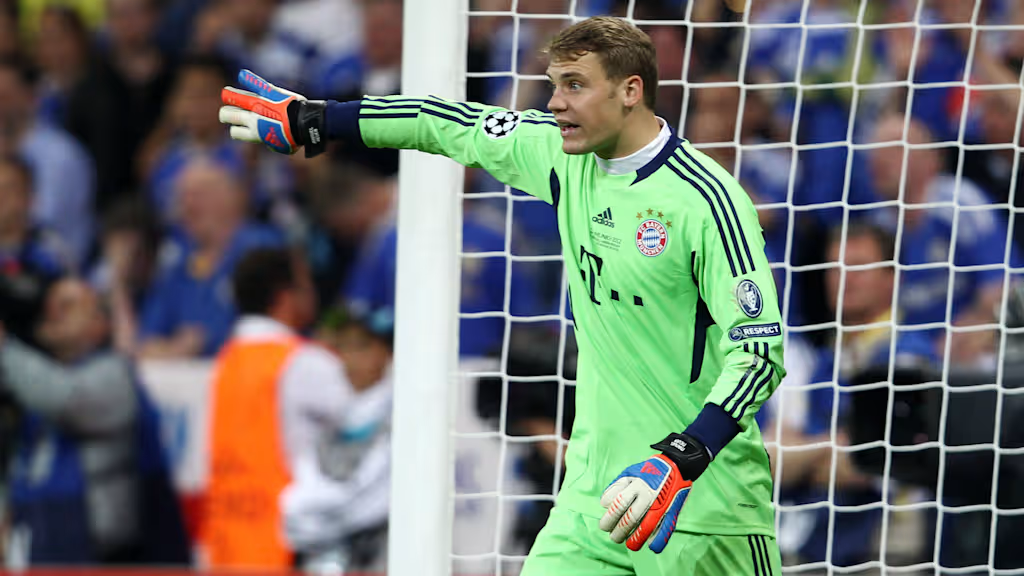
Modern goalkeepers like Neuer embody the new-age sweeper philosophy
The Legacy, Artistry, and Influence of the Sweeper Role
Though largely absent in today’s formations, the legacy of the sweeper continues to influence both coaching and player development.
Legendary Players Who Mastered the Role
Football’s history remembers iconic sweepers who made the position an art. Franz Beckenbauer defined the elegance of defense; Franco Baresi’s anticipation made him a nightmare for attackers; and Gaetano Scirea showcased composure under pressure. Each became proof that intelligence could triumph over pure athleticism.
How the Role Shaped Team Dynamics
Sweepers were not just defenders — they were conductors. Positioned behind everyone, they could see the entire pitch, direct teammates, and orchestrate transitions. Their decisions dictated team rhythm, offering structure in defense and fluidity in attack. This dual influence is what made the sweeper irreplaceable in classic football.
Why the Role Deserves Modern Revival
Many analysts argue for the sweeper’s return, especially in systems emphasizing possession and tactical buildup. The qualities that defined sweepers — anticipation, leadership, and technical skill — remain valuable. Reviving the philosophy behind the sweeper role could bring new depth to defensive play in today’s fast-paced game.
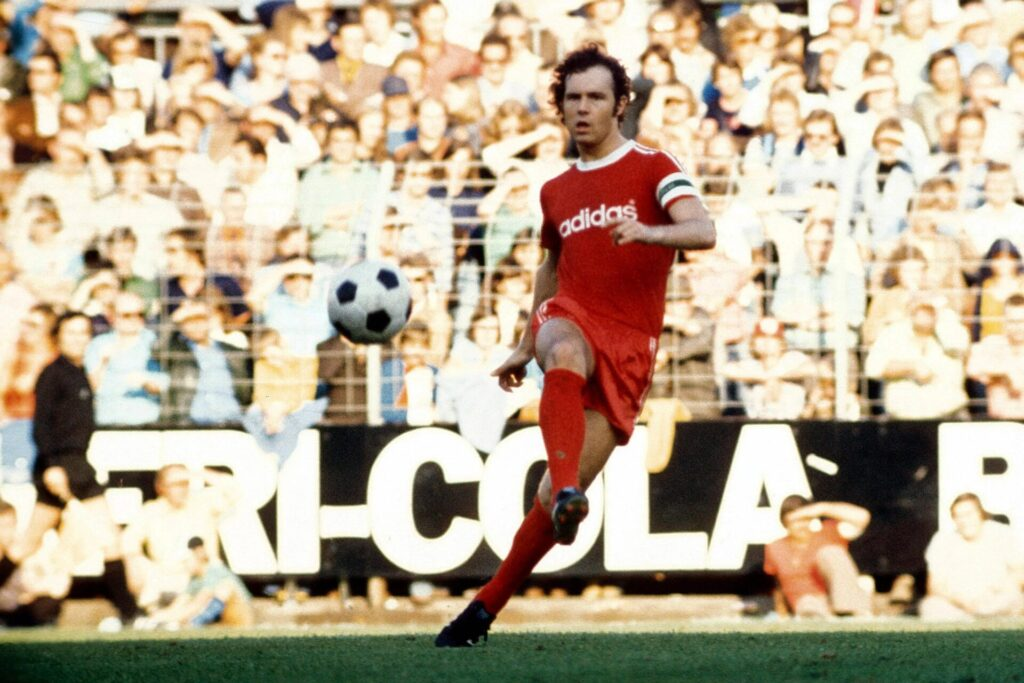
Beckenbauer’s calm control demonstrated how sweepers transformed defense into creativity
The question what is a sweeper role opens a window into one of football’s most intelligent tactical evolutions. Though the position has faded, its influence persists across generations of defenders and goalkeepers who continue to read the game with vision and authority. The sweeper symbolizes artistry in defense — a blend of composure, anticipation, and leadership that defined football’s golden eras. Even today, the echoes of the libero remind fans that true mastery begins with understanding the game’s rhythm, not just chasing the ball.